
Many organizations reach a point where their internal IT team needs additional support. Technology environments are becoming more complex, cybersecurity threats are increasing, and business leaders expect IT departments to do more than simply keep systems running. They are expected to drive innovation, support growth initiatives, manage risk, and help the organization remain competitive.
This is where Co-Managed IT enters the conversation.
Unlike traditional outsourced IT, Co-Managed IT creates a partnership between your internal IT staff and an external technology provider. The right partnership can strengthen security, improve efficiency, reduce burnout, and provide access to expertise that may be difficult or expensive to build internally.
However, not all Co-Managed IT providers are the same. Before selecting a partner, business leaders should ask several important questions to ensure they choose a provider that aligns with their goals, culture, and long-term technology strategy.

Unlock Enterprise Agility with Co-Managed IT
Partner with PCA and empower your internal IT team with the flexibility, expertise, and scalability needed to thrive. Let’s build a smarter, faster, more resilient tech environment together.
1. Does the Provider Complement or Replace Your Internal IT Team?
One of the biggest misconceptions about Co-Managed IT is that it replaces internal IT personnel. A quality Co-Managed IT provider should function as an extension of your team, not a replacement for it.
Your internal IT staff possesses valuable knowledge about your users, systems, workflows, and business objectives. The right provider will respect that knowledge and build a collaborative relationship rather than taking control away from your team.
Ask potential providers:
- How do you work alongside internal IT teams?
- What responsibilities remain with our staff?
- How do you avoid overlapping efforts?
- What communication processes are in place?
The best Co-Managed IT relationships are built on partnership, transparency, and shared goals. According to PCA Technology Solutions, Co-Managed IT is designed to combine the strengths of internal IT knowledge with specialized external expertise, creating a collaborative model that supports business growth and operational success.
2. What Cybersecurity Capabilities Are Included?
Cybersecurity can no longer be treated as an optional add-on. Every business faces risks from phishing attacks, ransomware, credential theft, insider threats, and compliance challenges.
Many organizations pursue Co-Managed IT specifically because their internal teams need additional security expertise.
Before choosing a provider, ask:
- Do you offer managed security services?
- How do you monitor threats?
- What is your approach to incident response?
- Do you provide security awareness training?
- What tools and technologies are included?
Organizations should prioritize providers that offer a multi-layered security strategy rather than relying on a single solution. A provider with dedicated cybersecurity expertise can help identify vulnerabilities, strengthen defenses, and improve response times when threats occur.
This is particularly important because an IT provider that focuses solely on operational support may not have the advanced security capabilities necessary to protect modern businesses.
3. Can the Provider Scale as Your Business Grows?
Technology needs rarely stay the same.
A company with 100 employees today may have 200 employees in a few years. New locations, acquisitions, cloud migrations, compliance requirements, and evolving cybersecurity threats can quickly change the demands placed on an IT department.
Ask potential providers:
- Can services scale as we grow?
- How do you handle business expansion?
- Can support levels be adjusted over time?
- Do you offer flexible service models?
A strong Co-Managed IT partner should provide scalable solutions that evolve alongside your organization. Growth should not require changing providers every few years.
Scalability is one of the core advantages of the Co-Managed IT model because organizations can add resources, expertise, and support as business needs change without the expense of continually expanding internal staff.
4. Do They Offer Strategic Guidance or Just Technical Support?
Many providers are excellent at solving technical problems. Far fewer help organizations build a long-term technology roadmap.
Technology decisions impact every area of business performance, including productivity, customer experience, cybersecurity, compliance, and profitability.
Before choosing a partner, ask:
- Do you provide strategic planning services?
- Do you offer vCIO or technology coaching?
- How often do you review technology goals?
- Will you help align technology with business objectives?
The most valuable providers serve as advisors, helping organizations make informed decisions about future investments and technology initiatives.
PCA’s approach emphasizes technology coaching and strategic consultation, helping leadership teams create technology roadmaps that support both short-term needs and long-term business goals. Rather than simply responding to tickets, the focus is on helping organizations maximize the value of their technology investments.

5. What Tools, Resources, and Expertise Can They Bring to the Table?
Internal IT teams often face limitations related to staffing, budgets, and specialized expertise.
A quality Co-Managed IT provider should expand your capabilities by providing access to:
- Advanced monitoring tools
- Security platforms
- Specialized engineers
- Backup and disaster recovery resources
- Cloud expertise
- Microsoft 365 specialists
- Project management support
Ask providers how they help bridge skill gaps and whether your organization gains access to tools that would otherwise be costly to implement independently.
The goal is not simply to outsource tasks. The goal is to strengthen your overall IT operation through shared expertise and resources. Providers that offer a broad portfolio of services often deliver more value because they can support a wider range of business initiatives.
6. How Transparent Are Their Processes?
Trust is one of the most important factors in any Co-Managed IT relationship.
You should understand:
- How support requests are handled
- Who has access to your systems
- What reporting is available
- How performance is measured
- How security incidents are communicated
A provider should be willing to explain processes clearly and provide visibility into their work.
Organizations benefit most from partners who value transparency, accountability, and ongoing communication rather than operating behind the scenes with limited client involvement.
7. What Makes This Provider Different?
Finally, ask what differentiates the provider from competitors.
Experience matters. Security expertise matters. Customer service matters.
A provider should be able to demonstrate a proven track record of helping businesses improve security, productivity, and operational performance.
PCA Technology Solutions is a Managed Security Services Provider (MSSP) and Managed IT Services company with more than 30 years of experience serving businesses across Arkansas and Dallas. Recognized among the world’s Top 250 MSSPs, PCA delivers cybersecurity, managed IT, co-managed IT, Microsoft 365, VoIP, and IT coaching services that help organizations improve security, productivity, and long-term technology strategy.
What makes a partner like PCA stand out is its coaching-first philosophy. Rather than functioning solely as a support provider, PCA works alongside organizations as a trusted technology partner. This approach helps businesses make smarter technology decisions, strengthen cybersecurity defenses, and align IT investments with business outcomes. PCA’s commitment to transparency, long-term relationships, and strategic guidance reflects the qualities organizations should seek when evaluating Co-Managed IT providers.
Choosing the Right Co-Managed IT Partner
Selecting a Co-Managed IT provider is more than a technology decision. It is a business decision that can impact productivity, security, growth, and long-term success.
The right partner should enhance your internal team’s capabilities, strengthen cybersecurity, provide strategic guidance, and offer scalable support that grows with your organization. By asking the questions outlined above, business leaders can better evaluate providers and avoid partnerships that fail to deliver long-term value.
Ready to Explore Co-Managed IT?
If your internal IT team is stretched thin, facing increasing cybersecurity demands, or struggling to keep pace with business growth, it may be time to explore a Co-Managed IT partnership. PCA Technology Solutions works alongside internal IT departments to provide the expertise, resources, cybersecurity protection, and strategic guidance needed to support modern businesses. Contact PCA today to learn how a customized Co-Managed IT strategy can help your organization strengthen security, improve operational efficiency, and achieve its technology goals.

David Witt
Client Solutions Manager
A seasoned IT professional with nearly a decade of experience at PCA, David started as a network engineer before transitioning into client-facing roles. David is dedicated to fostering strong relationships and delivering exceptional IT services. As a Client Solutions Manager, he leads a team dedicated to providing world-class client support.
David is a proud family man and enjoys spending time outdoors, serving his community, and cheering on the Kansas City Chiefs.
How Business IT Solutions Drive Growth and Saves Costs
Let's face it: Running a business isn't cheap. Between rent, salaries, marketing, and everything else in between, it's easy to look at business IT solutions as "just another expense." But what if we shifted that perspective completely? What if we told you that the...
Cloud Token Theft: How to Detect and Prevent Attacks
Imagine this: You log into your cloud account as usual, but unknown to you, a cybercriminal has already stolen your authentication token. They now have the same access you do, without needing your password. Scary right? This is the reality of token theft, a rising...
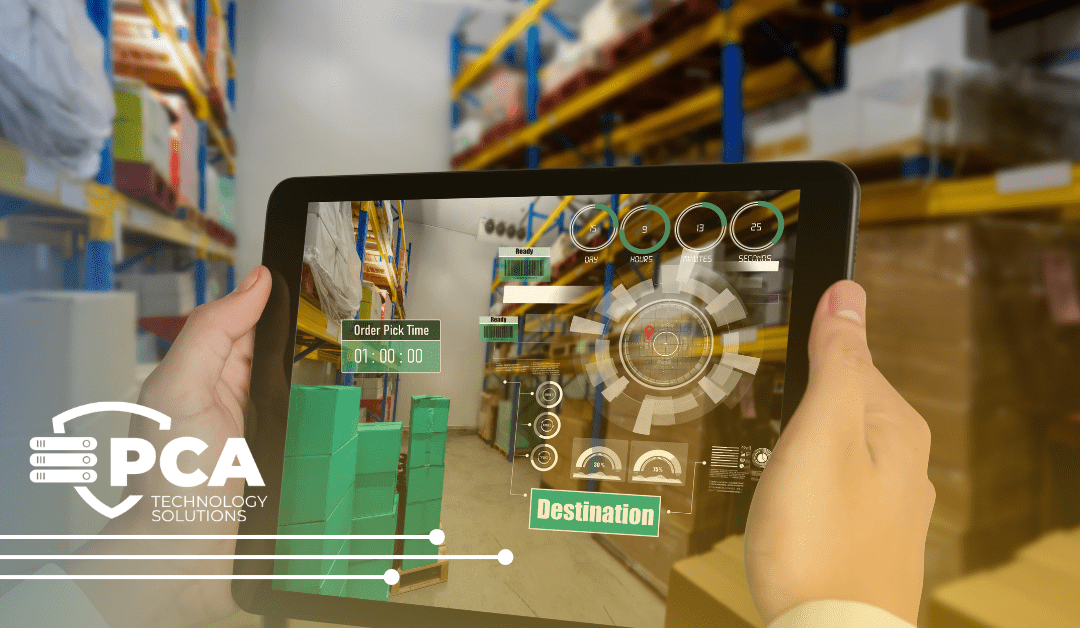
10 Ways Freight Management is Transformed by Digital Technology
Did you know? Inefficient freight management costs businesses billions each year. Problems like delayed shipments, lost inventory, and poor planning don’t just annoy customers—they eat up profits. But there’s good news: digital technology is fixing this! With tools...